There is a version of this review that simply says: yes, still. Ten years on, back in theaters for an anniversary run, The Shawshank Redemption remains the rare consensus favorite that actually earns the consensus. It is not a film that has been inflated by nostalgia. If anything, a decade of imitators has clarified exactly how precise its patience really is.
Darabont isn't interested in the mechanics of the escape. He's interested in what nineteen years does to hope, and whether it survives the wait.
Tim Robbins plays Andy Dufresne as a man who has already decided, long before the plot catches up to him, that his mind belongs to him even if his body doesn't. Morgan Freeman's Red narrates from the other side of that same math, a man who has stopped expecting anything and is quietly unsettled by someone who hasn't. Their friendship, built in scraps of shared yard time, is the actual engine of the film; the tunnel through the wall is just the proof of it.
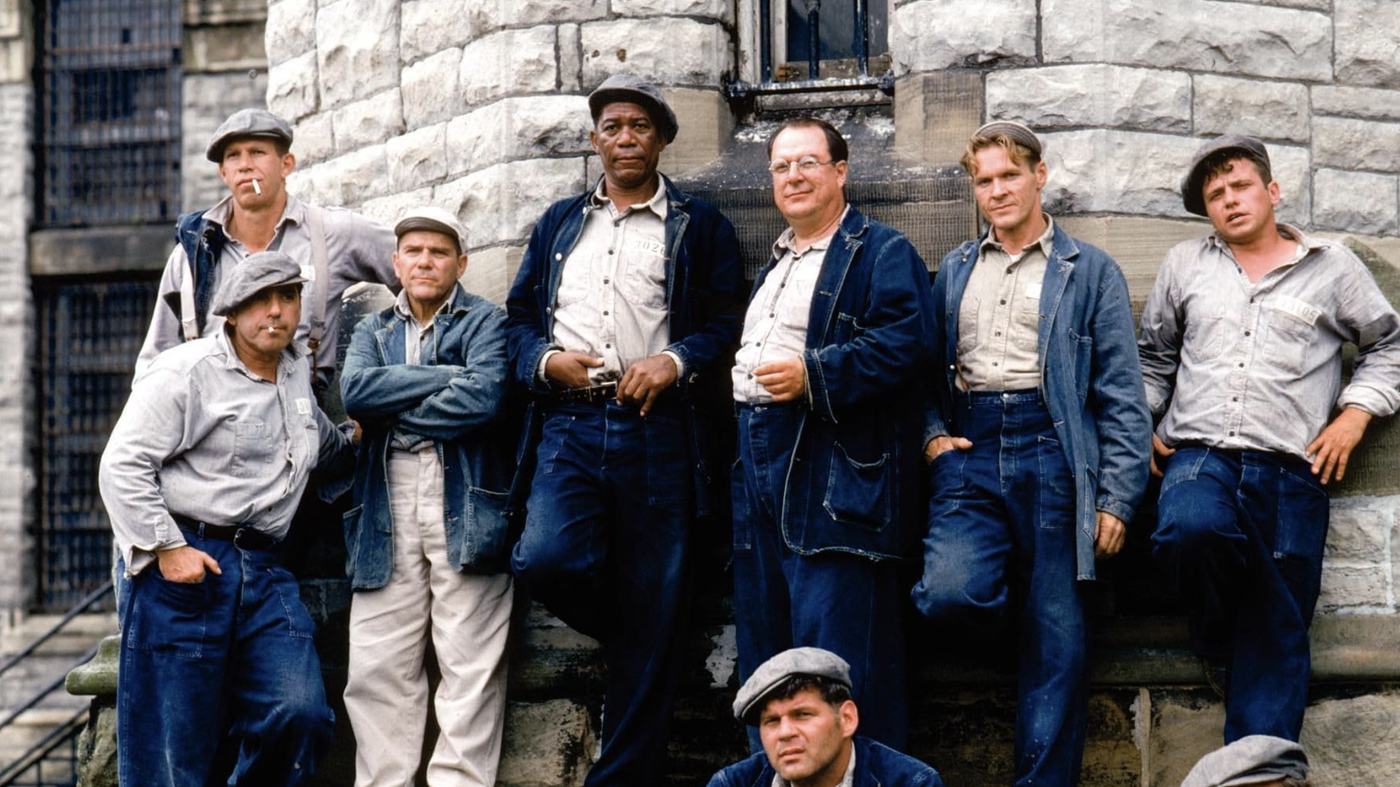
What still surprises on a return trip is how funny the film allows itself to be, and how comfortable it is sitting still. Whole scenes pass with no plot pressure at all, just men on a rooftop drinking beer they didn't ask for, or a library slowly becoming something worth having. Roger Deakins' photography does the same quiet work: gray stone made almost warm by how carefully it's lit, right up until the rain comes down and means something.
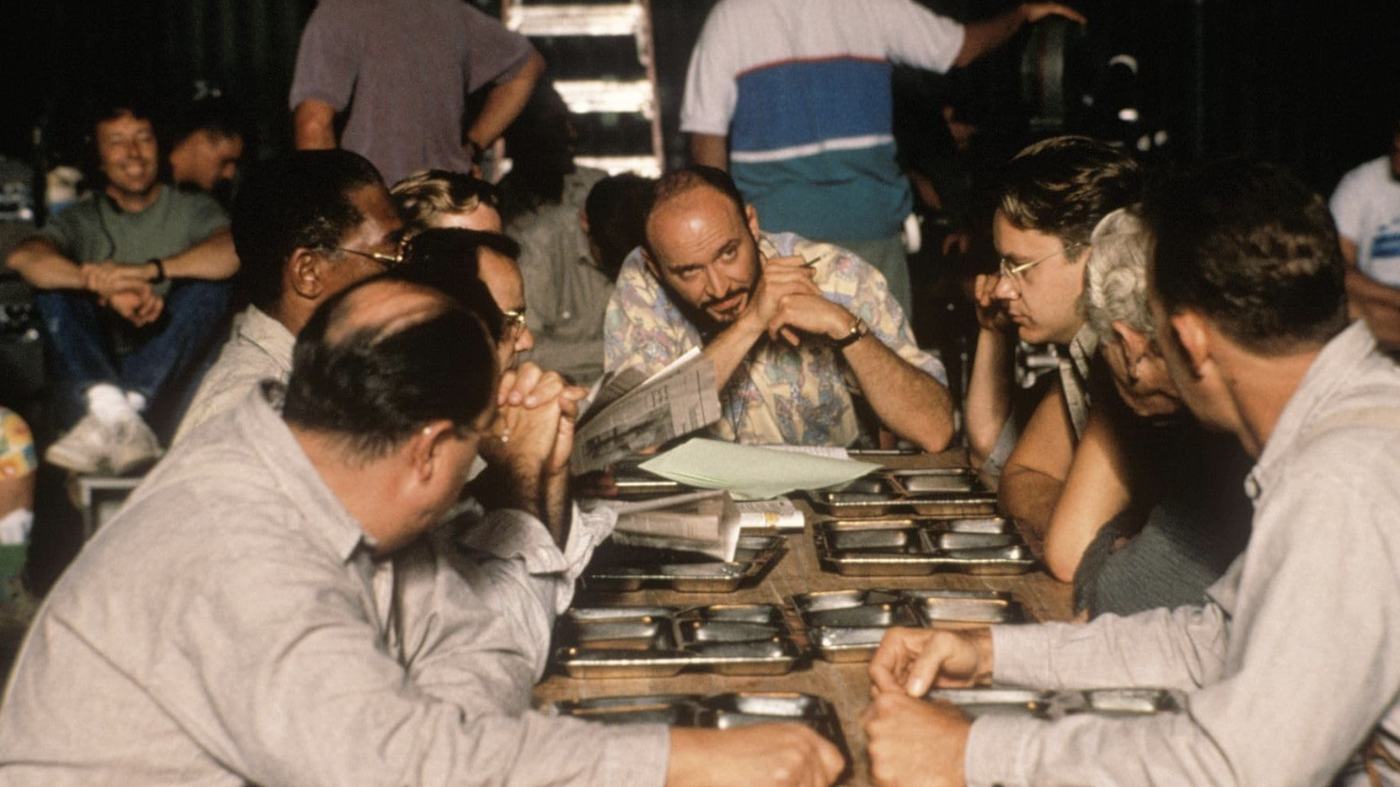
Seen again, projected large, the film's reputation as comfort food undersells it slightly. It's a prison movie with real cruelty in it, and it earns its final, giddy stretch of freedom by making you sit through everything that came before. The anniversary re-release doesn't reveal a hidden film underneath the beloved one. It just confirms that the beloved one was correct all along.